
What a routine change can put at risk
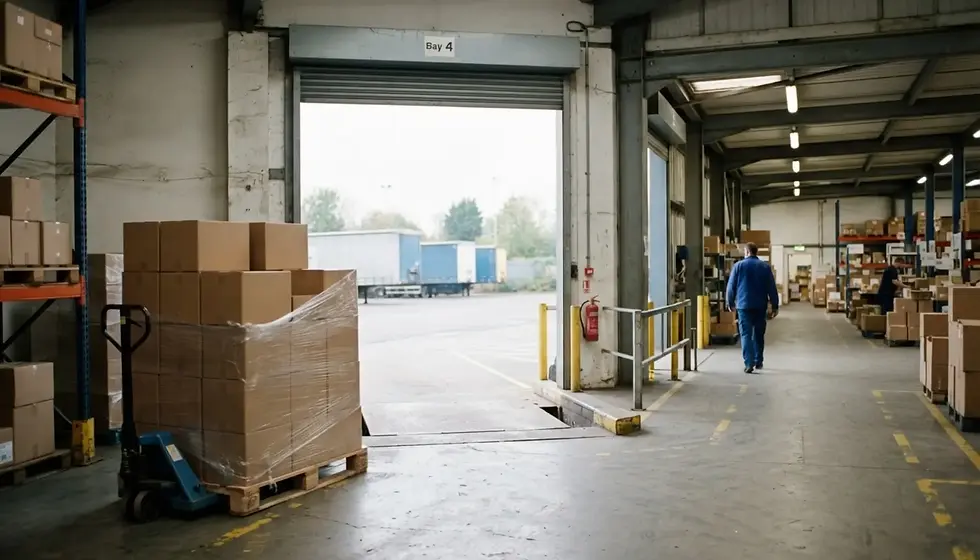
Picture a small wholesaler preparing for their busiest trading period. They have started storing extra stock in a part of the premises previously used for deliveries. You, as their broker, hear about the move during a renewal conversation. For the team trying to get orders out on time, the move solves an immediate problem. It also changes what a disruption in that part of the building could mean for the business.
Much of RiskSTOP’s 2026 coverage came back to how ordinary business decisions can change the risks a client faces. We think clients should be able to get risk management advice while they’re deciding what to do. The kind of help they need depends on what a change could mean for their business. That is the idea behind Risk Management for Everyone.
How a local problem can interrupt trading
Moving extra stock into one area can put more goods at risk from a single incident and change how people work around it. It may also change the assumptions behind existing fire protection. The same principle applies in a warehouse introducing automation. Decisions about how goods are stored, where equipment is charged and where staff can get access all affect how the building operates. The protections already in place may have been planned around a different set of conditions.
For the wholesaler, a serious consequence could be losing their only dispatch area in a busy week. Water entering the building could put that space out of use. If the incident also damages equipment that takes time to replace, the disruption can last well beyond the clean-up. Another site might offer some capacity, although a fallback that works in a quiet week may be too small when orders peak.
Two businesses with similar premises, stock and equipment can face very different interruptions after the same kind of damage. Their ability to keep trading depends in part on what else is available and how quickly they can use it. For you, that makes the way your client works part of understanding their exposure.
Why everyday controls matter
An obstruction in a gutter can be easy to overlook. In heavy rain, water can find its way into the premises and interrupt work. Whether someone noticed the problem and had time to arrange a repair can matter as much as when the last check was due.
Electrical safety and combustible storage were among the concerns raised most often in the commercial risk assessments covered by RiskSTOP’s published findings. Both are familiar issues. The difficulty is often keeping the work visible when people have other demands on their time. A maintenance record helps when the people who rely on it can see which issues are outstanding and who can deal with them.
In a small business, the person arranging a repair may also be dealing with suppliers, staff and a busy order book. Clear guidance can help them understand why an issue matters and how to act on it. That is one reason access to advice matters for familiar risks as well as for changes that need more technical judgement.
Where commercial insurance brokers can help
A small team may be able to deal with a straightforward maintenance issue using guidance that fits its work. The same team may need specialist advice on whether the existing fire protection suits a changed layout. The size of the business tells you something about the resources it can draw on. The decision still depends on what is changing and what the consequences could be.
For insurers, the consequences of a change are part of deciding what support a client may need. An adjustment that affects a critical part of the operation can raise questions about loss prevention and how the business would recover. Those questions can be just as relevant to a small firm with a single site.
You may hear about these decisions in a conversation about cover or stock values. If your client knows who can help, they can talk through the practical consequences before they settle on a plan. That matters between renewals, when a business might change what it stores, take on new equipment or alter the way it uses the building.
The wholesaler started with a question of space. Its importance depends on how much of their trading relies on that area and how quickly they could get orders out again if they lost access. With few workable alternatives, a routine storage decision may call for advice that takes account of both fire protection and business continuity. Risk Management for Everyone means making that kind of advice available when the decision warrants it, whatever the size of the business.


Comments