
UPDATE: Flood Performance Certificates to be piloted in England
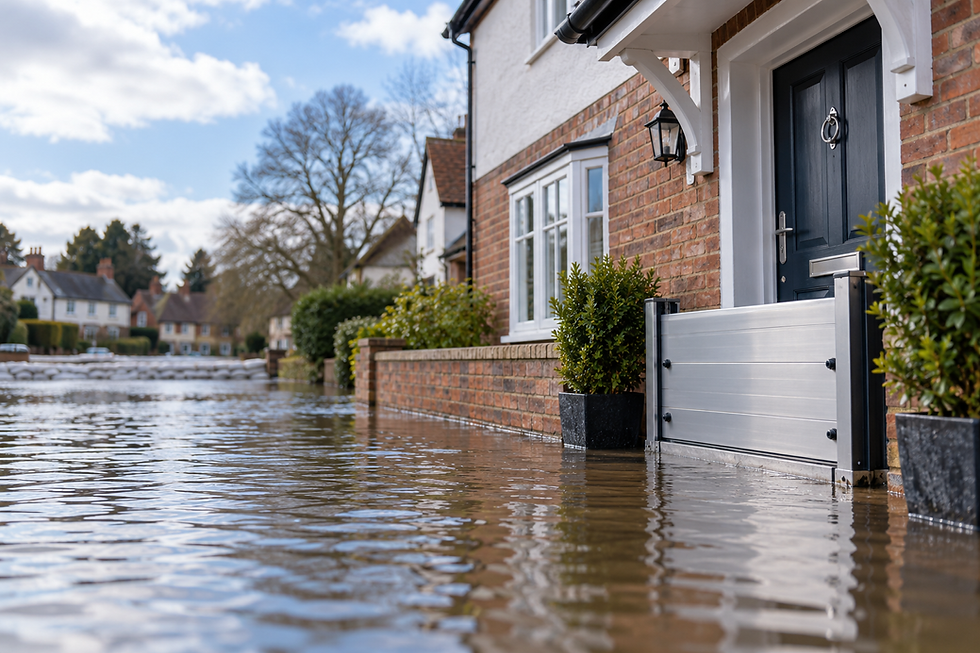
The Government and Flood Re have announced plans to pilot Flood Performance Certificates for homes in England. The certificates are intended to give homeowners a clearer picture of their property’s flood risk, the measures already in place and where further improvements could help.
For residential insurers, brokers and property owners, this is a development to watch as the pilots begin.
What could the certificate show?
The proposed certificates could provide information on a property's existing level of flood resilience, the potential consequences of different flood depths, measures already installed and opportunities for further improvements.
The assessment may help distinguish between the likelihood of flooding and the extent of damage that could occur if flooding takes place. This is important because properties exposed to similar flood hazards may experience significantly different levels of damage depending on their construction and the protection measures in place.
Measures such as flood barriers, self-closing air bricks and water-resilient materials could be reflected in an assessment. The aim is to make it easier to understand the risk at an individual property and identify proportionate steps to reduce potential damage.
Flood Re expects work on the first pilots to start in 2026, with further testing during 2027 and beyond. The final format is still being developed.
Flood protection measures generally fall into two categories:
Flood resistance: Measures designed to prevent or limit water entering a property, such as flood doors, removable barriers, self-closing air bricks and non-return valves.
Flood recoverability: Measures intended to reduce damage and enable faster recovery if water enters, such as water-resistant floor finishes, raised electrical installations and flood-resilient kitchens.
A combination of measures may be necessary, depending on the nature of the property, anticipated flood depths and the likely duration of flooding.
What does this mean now?
In the longer term, a standardised assessment could help insurers and brokers better understand the flood vulnerability of individual properties and recognise effective resilience improvements.
This could support more informed underwriting discussions, particularly where property owners have invested in measures intended to reduce flood damage. However, there is currently no guarantee that obtaining a certificate or improving a property's rating will result in reduced premiums, lower excesses or changes to insurance availability.
Property owners should continue to disclose relevant flood history and protection measures accurately when requested by their insurer.
Property owners can already check their flood risk, sign up for warnings where available and consider how they would protect the property if flooding were forecast. For brokers, the announcement offers another opportunity to discuss the measures a client has taken and whether their property information is up to date.
The certificate pilots focus on homes. Businesses should continue to assess the flood exposure of their premises and plan how they would respond to disruption.
Further guidance
The Government announcement explains the planned pilots. RiskSTOP’s Flood and Water Damage animation is also available to share with clients as a starting point for a wider risk conversation.


Comments